
There's more than one reason to reach out.
Our Offerings
You don't have to wait for something to go wrong to start doing things differently.
We believe in asking questions, building understanding and making changes early. But sometimes you don't know what needs to change until something brings it to your attention.
Wherever you're starting from, Do Better Consulting helps you look at what's happening, understand how it's affecting the people involved and figure out what needs to happen next.
These are some of the ways we can work together, but they don't cover everything we do. If you don't see exactly what you're looking for, we can start with a conversation about what you need.
-
You don't have to love everyone you work with. But you do have to figure out how to work together.
When communication breaks down, tensions go unresolved or harmful behaviours become the norm, it can make coming to work difficult. And those challenges don't necessarily stay behind the scenes. They can affect how staff treat one another, how services are delivered and how people experience your organization.This training helps teams take an honest look at how they work together. We explore communication, workplace expectations, group dynamics and the behaviours that can make it harder for people to do their jobs well.
Through practical exercises and conversations that aren't always easy to have, staff can better understand what's contributing to the challenges they're facing and develop clearer ways of working together.
Because how people treat each other at work affects everyone who walks through the door.
-
Saying everyone is welcome is one thing. Knowing how to support them when they arrive is another.
Your staff might genuinely care about the people they serve, but that doesn't mean they'll always know how to respond when someone brings a question, experience or need they haven't encountered before.
Staff Readiness Training helps teams build the knowledge, confidence and practical skills to navigate those moments. We explore how everyday language, assumptions, workplace practices and individual responses can shape someone's experience of accessing support.
Through realistic scenarios and open discussion, staff have opportunities to ask questions, work through uncertainty and practise responding to situations they might otherwise feel unprepared for.
The goal is simple: staff shouldn't have to figure out how to support someone for the first time while that person is standing in front of them asking for help.
-
It's hard to see the whole picture when you're right in the middle of it.
You might have policies that look great on paper, procedures that have been in place for years and services that seem to be running smoothly. But that doesn't always tell you how things are actually working for the people involved.
Our organizational reviews look beyond what's written down to understand how policies and practices play out in everyday situations. We consider the experiences of staff and the people accessing your services, what's working well, what might be getting overlooked and where there's room for improvement.
You don't need to start from scratch. You need an honest picture of what's really happening.
From there, we work with you to identify changes that make sense for your organization and the people who depend on it.
-
You can learn a lot about your services by talking to the people who actually use them.
But asking for feedback and creating an environment where people feel comfortable giving it aren't always the same thing.
We facilitate community conversations and listening sessions that give people opportunities to share their experiences, ask questions and offer perspectives that might not otherwise be heard about the services and supports available to them.
Having someone outside the organization guide these conversations can make it easier for people to speak openly, especially in smaller communities where relationships overlap and people may worry about how their feedback will be received.
Sometimes you'll hear something you hadn't considered. Other times, you'll hear something you've suspected for a while but haven't had the opportunity to explore.
Either way, hearing directly from the people who use your services can help you understand what's working, recognize what might need to change and make decisions that better reflect their experiences.
-
A good presentation should give people something to think about long after it's over.
Whether it's a conference, community event, staff gathering or a conversation your organization has been wanting to have, we create sessions that are engaging, approachable and worth people's time.
We don't expect everyone in the room to come in knowing the same things. We start with what people know, make room for what they don't and build from there.
Through education, real-life examples and open discussion, we encourage people to ask questions, explore different perspectives and connect what they're learning to their own experiences.
Some sessions introduce a topic or build understanding. Others bring people together to explore an issue or have conversations that need more time and care.
Whatever the setting, we want people to leave with more than a few notes and a handout. We want them to leave with something they can carry into what they do next.
Some of the topics we explore include:
2SLGBTQIA+ inclusion and education
Rural communities, relationships and barriers to support
Workplace culture, communication and group dynamics
Racism, discrimination and everyday interactions
Accessibility, disability and chronic illness
Trauma-informed approaches and supporting people experiencing violence
Sessions can be developed around your audience, event or organization. Depending on the subject, we also collaborate with other consultants whose experience and expertise can add to the conversation.
-
Not every question needs a workshop, and not every challenge needs a full organizational review.
Sometimes you need another perspective, someone to talk through a decision with or a bit of guidance when you're dealing with something unfamiliar.
Our advisory services offer practical support when questions come up, situations get complicated or your organization is considering a different approach. That might mean reviewing a policy before putting it into practice, navigating a difficult workplace conversation, responding to a concern or figuring out how to follow through on recommendations from a previous training or review.
Support can look different depending on what you need. Some organizations reach out with a specific question or situation, while others benefit from regular check-ins or having someone available as they work through changes over time.
You don't always need someone to come in and tell you what to do. Sometimes you need someone who can help you think through your options and decide what makes sense for your organization.
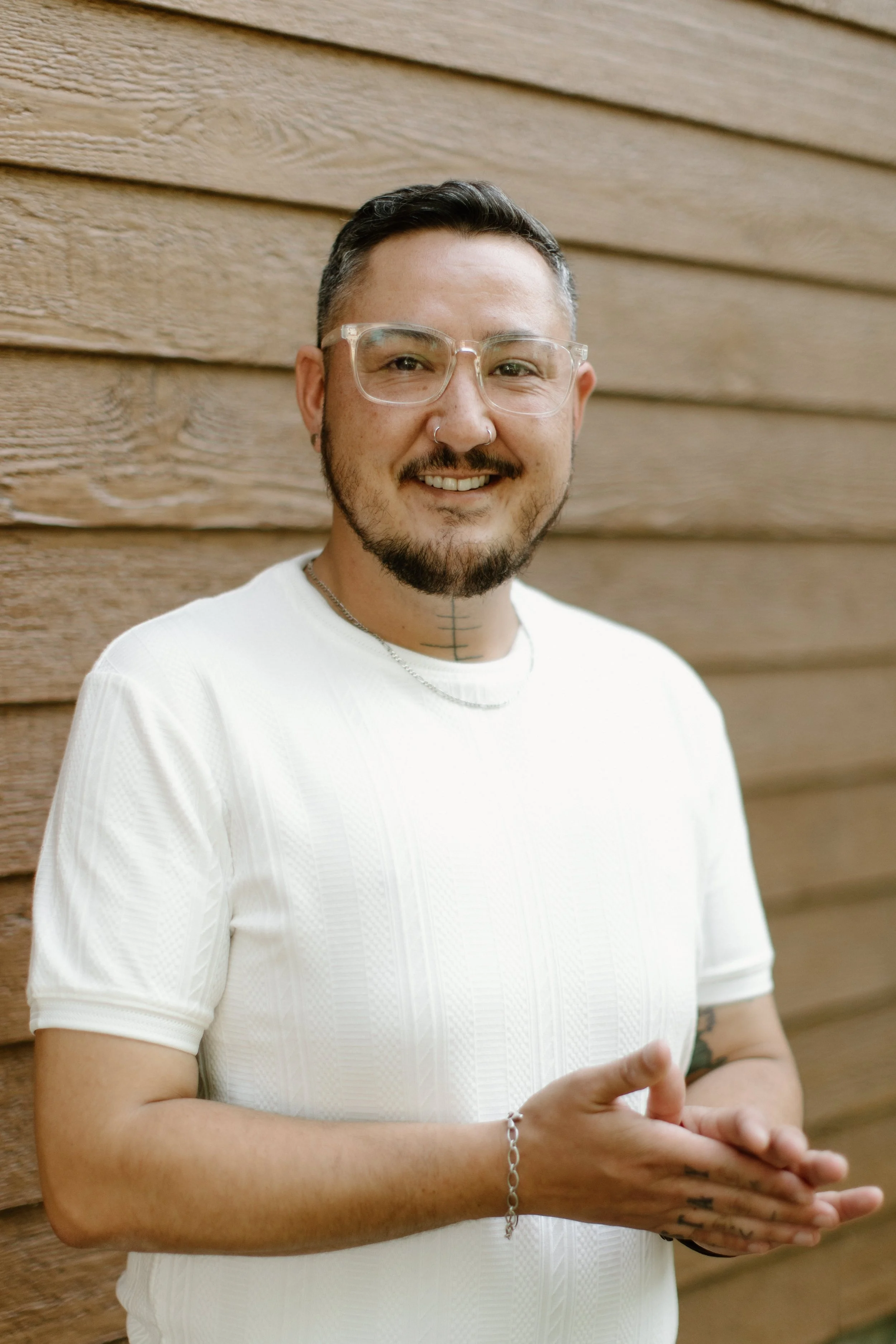
Family & Caregiver Support
You can love someone completely and still have questions about what they're going through.
When someone you love comes out as trans or non-binary, you might have questions you weren't expecting. You might be learning new language, wondering how to have certain conversations or worrying about saying the wrong thing. And sometimes, you might not know who you can ask without feeling judged or worrying that your questions will hurt someone you care about.
Through Do Better Consulting, I offer one-on-one support for parents, caregivers and family members who want to better understand and support their loved one.
It's a space to ask questions, talk through concerns and learn more about gender identity, coming out and what support can look like in everyday life. We can also talk about what to do when mistakes happen or when a relationship needs care and repair.
You don't have to understand everything right away, and you don't have to pretend you don't have questions. What matters is being willing to learn, listen and consider how your words and actions affect the person you love.
The goal isn't to have every answer. It's to help you build the understanding and confidence to be someone your loved one knows they can turn to.